Thursday October 22nd 2026
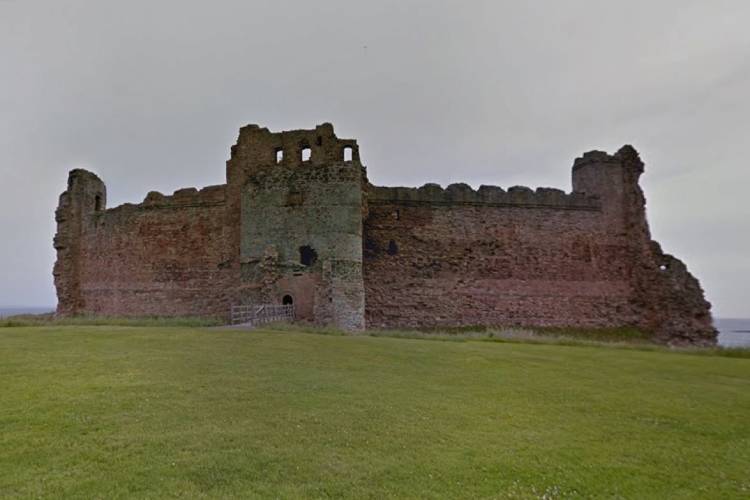
Tantallon Castle, North Berwick, is one of East Lothian's top ten most visited attractions
Written by Local Democracy Reporter, Marie Sharp
Almost nine out of ten visitors who took part in a public consultation on plans to tax tourists in East Lothian disagreed with the proposals.
A report on the findings of the consultation says 88 per cent of visitors asked if they backed the objectives of the proposed levy disagreed, however the report warns councillors not to view the response as a ‘referendum’.
Instead they argue the responses were ‘self selected’ and may have been influenced by opposition to the scheme itself after revealing more than half of responses came from tourists despite not targeting them for their views.
The online consultation which was held over 12 weeks earlier this year drew in 530 responses with 223 from visitors to the area.
The report says the survey was “open to anyone wishing to respond and was self selecting.”
It tells councillors: “The council’s promotion of the summer 2026 consultation was directed primarily towards businesses, residents and local organisations in East Lothian. Whilst visitors were encouraged to participate, it did not include a dedicated visitor-facing recruitment campaign or a wider promotional campaign targeting audiences outside the area.
“The percentages reported throughout this report therefore describe the views of those who chose to participate and should not be interpreted as estimates of wider population opinion or as a referendum on the proposed scheme.”
Legislation introduced by the Scottish Government two years ago gives local authorities to power to introduce a visitors levy. Edinburgh is set to become the first place to introduce it next month and have agreed the five per cent rate.
The East Lothian plan suggests a 5 per cent tax on visitors and also includes establishing a Visitors Levy Forum made up of representatives from the community, businesses and tourism, who would have a say on where funds from the new charges will be used.
A council spokesperson said the reference to the consultees as ‘self selected’ was not intended to downplay the consultation findings.
A spokesperson said: “As with most public consultations, participation was voluntary and respondents self-selected whether to take part, so the findings reflect the views of those who responded rather than, for example, a random sample of businesses, residents or visitors.
“This is not to downplay the consultation findings, which are a useful part of the wider developing evidence base, rather the wording is intended to provide appropriate context for interpreting this part of the evidence base.
“Consultation responses were received from a wide range of businesses, organisations, and individuals. Many of which provided valuable feedback and views that can be taken forward as the work continues.”
Councillors will be asked to approve further consultation following the feedback gathered over the summer alongside other stakeholder events held to gauge the views of those involved.
Among issues raised for further consideration are the level of tax, whether it should be capped or a seasonal charge.
The full report can be viewed on the council website.
Tweet Share on FacebookNews