Tuesday September 29th 2026
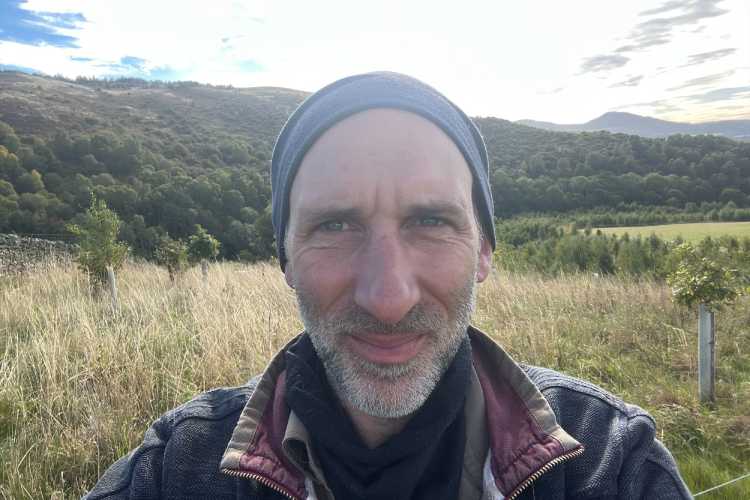
Ben Douglas, director of Beavers on Tweed and farmer near Galashiels
Written by Midlothian View Reporter, Liam Eunson
Beavers on Tweed has welcomed Scottish Borders Council’s discussion of the future of beavers in the Tweed catchment, while cautioning against deciding too early that natural recolonisation must be preferable to a future licensed translocation.
Councillors agreed an amendment calling for a holistic approach to restoring the river, including more riparian woodland, and stating that natural recolonisation from neighbouring river systems was preferable to earlier human intervention. Scotland’s current approach allows beaver populations to expand both naturally and through carefully assessed licensed translocations to suitable new catchments.
Ben Douglas, director of Beavers on Tweed and farmer near Galashiels, said:
“We strongly agree that beavers must be considered as part of the health of the whole catchment.
“Scotland faces serious nature depletion, and the Tweed needs more riparian woodland, healthier wetlands and more resilient habitats. Beavers can contribute to that by creating wetland habitat, supporting biodiversity and helping water stay in the landscape for longer during both wet and dry periods.
“But it is too early to assume that natural recolonisation must be the best route. A planned restoration can allow suitable locations to be assessed in advance, involve land managers from the outset and establish an appropriate founder population.”
Dr Philip Ashmole MBE, Peebles resident and director of Beavers on Tweed, said:
“For thousands of years after the last Ice Age, beavers lived alongside salmon on the River Tweed. Beavers created riparian wetlands and woodlands teeming with insects and other wildlife, while migratory fish evolved alongside beaver dams.
“But humans persecuted the beavers to extinction in Mediaeval times, leaving us with a broken ecosystem and a huge debt to nature.
“Now we have an opportunity to rebuild, by bringing back beavers alongside efforts to restore salmon, riparian woodland and healthy wetlands, and giving the Tweed catchment more resilience in the face of a hotter climate.
“Beavers can also benefit wildlife tourism, and farmers and land managers who make space for them should be properly supported and rewarded. There is a great deal to gain if we approach restoration thoughtfully.”
Bridie Ashrowan, director of Beavers on Tweed, said:
“We welcome the fact that the Council has now had a serious discussion about beavers returning to the Tweed.
“Our interest in beavers is part of a much bigger question: how do we restore a depleted catchment and make it more resilient in a changing climate?
“No release proposal has been made. We are still at the stage of building evidence, relationships and public understanding.
“Whether beavers ultimately return naturally, through licensed translocation, or through some combination should be informed by evidence and engagement.”
The Council debate underlines the importance of hearing from people across the catchment. Beavers on Tweed is inviting residents, farmers, land managers, anglers and others to share their views – positive, negative or undecided – through its public survey at tweedbeavers.scot/about/your-views/.
Beavers on Tweed is a local non-profit organisation supporting evidence-based beaver restoration, balanced public information and constructive engagement across the Tweed catchment.
Tweet Share on Facebook