Thursday October 29th 2026

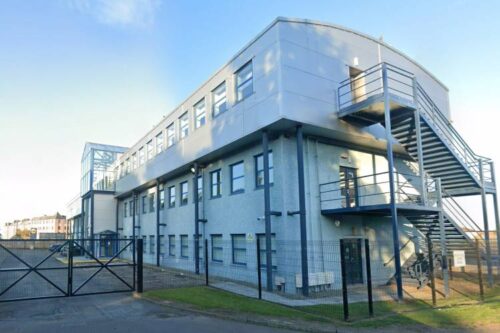
Edinburgh City chambers
Witten by Local Democracy Reporter, Nicholas Malizia
Edinburgh Council is the fifth highest borrower from the UK’s main source of public loans, making it “one of the most indebted” local authorities in the country.
Data included in the Annual Audit Report by Audit Scotland deemed the capital is facing a “significant risk” to long-term financial sustainability due to “substantially” increased borrowing and debt over the next five years.
Edinburgh councillors are due to discuss the report at the Full Council meeting on Thursday, October 29.
An analysis of data from the Public Works Loan Board – the main public lender – has shown Edinburgh Council ranks fifth highest in borrowing levels at £1.746 billion as of March 31, 2026. It ranks only after Leeds City Council (£1.9 billion), Woking Borough Council (£2.16 billion), Birmingham City Council (£3.05 billion) and Transport for London (£5.5 billion).
This means Edinburgh tallies at the top of the 1,459 local authorities and public organisations which receive funds from the Board.
The council had £2.007 billion of debt at March 31, 2026 – projected to rise to £5 billion by March 2031 – according to 2025/26 annual accounts analysed by Audit Scotland. And data shows the need to borrow to fund capital spending plans is forecasted to increase from £2.841 billion in 2026/27 to £5.332 billion in 2030/31.
Auditors said low interest rates have helped the council stay out of hot water, though rising longer-term interest rates pose a “significant” risk.
Much of the increase in borrowing is attributed to “significant investment in housing”. Other challenges mentioned include pressures from services such as homelessness and adult care, and delivery of £26.9 million of approved savings within the Edinburgh Integration Joint Board, according to the report.
Documents stated: “An increasing proportion of future budgets will be committed to repaying these costs, meaning less money available for services. The cost of repaying debt is subject to volatility and interest rate risk, and it is likely the council will have very limited capacity, if any, to borrow further for new priorities.”
It also read: “We do not underestimate the major infrastructure challenges facing Edinburgh, in particular around housing and the school estate, but increasing levels of borrowing bring risks that could impact future financial sustainability.
“The council will need to manage this carefully to ensure that its levels of borrowing are affordable and that service impacts are minimised.”
However the report indicated Edinburgh Council is currently in a stable financial position with “sound” governance, risk management, and control in place.
There is “a generally an overall sound system of governance, risk management and control in place”. Auditors pointed to a £32.202 million in surplus in 2025/26, made possible by underspends in directorates, achievement of savings and income from a legal settlement.
Operational strengths were also highlighted in the report. It noted the council has clear and updated procedures, strong policies for detecting fraud, qualified and experienced staff leading finance functions, and effective arrangements for scrutiny.
The council reported that 70% of approved savings were delivered this financial year, “a positive result given the financial challenges in the local government sector.”
Auditors further commended “a good track record of achieving planned savings and in generating additional income”.
The report read: “Unlike some other councils, Edinburgh has opportunities on the horizon to raise additional income, for example the introduction of a visitor levy.
“The Commission will watch with interest as work to maximise these opportunities progresses, but would warn the council against using the benefits of potential future income to defer difficult decisions in the short term.”
Tweet Share on FacebookNews