Wednesday November 25th 2026
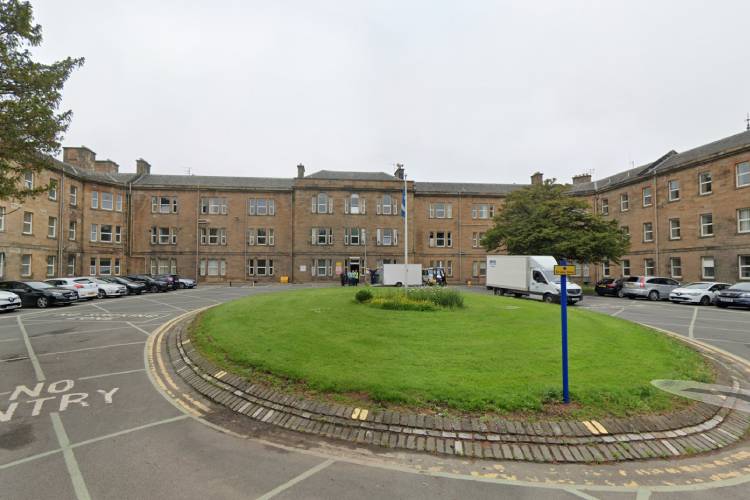
The Royal Edinburgh Hospital, where proposed changes could see several wards closed as part of a major overhaul of mental health and dementia care in the capital.
Written by Local Democracy Reporter, Nicholas Malizia
Officials are moving forward with plans to overhaul Edinburgh’s care pathways as “critical” change is “urgently” needed.
They are aimed at reducing the amount of time people spend in hospital. It may eliminate several hospital wards for people with severe mental illness and old people with dementia. However, the savings would be used to fund enhanced community-based support.
A board agreed on Tuesday to pursue the “radical” changes while establishing a multi-agency group to ensure the process included all voices.
Edinburgh’s hospitals are consistently over-occupied by patients who “do not have a clinical need to be there”, according to data. This causes significant delays to people with complex mental illness accessing care.
Sparse community resources outside of hospital contribute to slow discharges. Officials deemed a more complex programme was needed to provide sustainable solutions.
Edinburgh’s demographics are also changing at “super speed”, according to one Board member, with the number of over-70s expected to skyrocket in the coming years. Bruce Crawford, CEO at the Edinburgh Voluntary Organisations’ Council said: “Things will get harder and demand will increase from now until 2032. The future is really scary.”
While the plans were broadly welcomed, many concerns were raised about implementation at the Edinburgh Integrated Joint Board (EIJB) meeting on Tuesday, November 24.
Addressing board members, Euan Reid, co-chair of Edinburgh Mental Health Forum, said: “The consequences of failure will be felt most accurately by people impacted by mental illness. We would welcome more clarity on the strategy behind the approach.”
Others urged officials to include service users with lived experiences in their plans. Alex Kellas from CAPS – a group that works with people with personality disorders – said: “There can be a misconception that to engage the voices of those who use these systems is to invite people into the conversation that can’t understand the challenges facing [us]. [But] no one is more aware of the challenges for this system than those who face them everyday.”
A report estimated a 68-bed reduction across the Royal Edinburgh Hospital and the Edinburgh Health and Social Care Partnership – however, exact bed numbers have not yet been confirmed. Ward closures would impact the acute OPMH ward at REH, hospital based complex clinical care, and rehab wards at REH.
Councillor Vicky Nicolson proposed creating a multi-agency group to plan the community services that would be needed. It will include representatives from housing providers, advocacy providers, people with lived experience, unpaid carers and unpaid carer support organisations, third sector providers and trade unions “so that their professional and lived experience informs the redesign.”
Cllr Nicolson said: “My concern is not the destination, it’s the route we’re going to take. The report states plainly there’s not been formal consultation. We need to decide by asking the people affected.”
Her proposal passed and a report will be prepared for the EIJB’s next meeting in February 2027.
The Edinburgh Integrated Joint is made up of representatives from the City of Edinburgh Council, NHS Lothian, third sector representatives, service users and carers. They make decisions about how Edinburgh’s health and social care services are organised, implemented, and funded.
Tweet Share on Facebook