Monday October 12th 2026
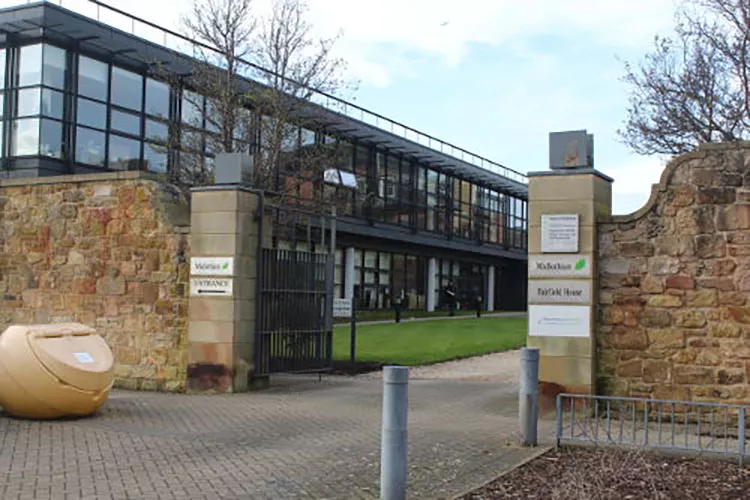
Fairfield House serves as an administrative office complex and registration office for Midlothian Council
Written by Midlothian View Reporter, Liam Eunson
There is often confusion over the respective roles and powers of councillors and council officers, with both playing important parts in local decision-making. However, their responsibilities differ, particularly when it comes to setting policy, making decisions and delivering council services.
By definition, councillors are elected politicians who make policies and decisions, whilst council officers are paid employees who manage day-to-day operations and council services.
At Midlothian Council, councillors represent residents across the authority’s wards and take part in meetings where policies, budgets and other important matters are debated and decided. They can also raise concerns on behalf of constituents and scrutinise the performance of council services.
Council officers work across departments to put agreed policies into practice and ensure services operate effectively. Their responsibilities can include areas such as education, housing, waste collection, road maintenance and planning.
However, the distinction is not always as straightforward as councillors making every decision and officers simply carrying them out. Some decisions are delegated to officers, who may have the authority to act without referring every matter to elected members. Other decisions, particularly those involving significant policy choices or matters reserved for committees, are made by councillors.
An Open University resource on Scottish local government summarises the relationship as, “Councillors bring the democratic mandate, officers bring the technical expertise – and you need both working well together for good governance.”
Alongside this, the Scottish Government’s Code of Conduct for Councillors states that “ultimately they serve the Council as a whole and not any particular political group, combination of groups or any individual member”, highlighting the importance of councillors remaining impartial while providing professional advice and delivering services, regardless of which political party or councillor is involved.
While councillors are elected to represent residents and make decisions on their behalf, council officers are employed to provide professional advice, manage services and implement council policies. Unlike councillors, officers do not hold a democratic mandate and must remain politically impartial in carrying out their duties.
The key difference is that councillors are elected by residents to represent their interests, set political priorities and make decisions on behalf of the community. Council officers, meanwhile, are employed by the council to provide professional advice, manage services and where applicable implement what the councillors want. While councillors can scrutinise services and raise concerns on behalf of constituents, officers are responsible for the day-to-day delivery of those services and must carry out their duties impartially, regardless of the political views of individual councillors.
A recent example of how councillors and council officers work together was seen in March at Paradykes Primary School where a new trim trail opened following around four years of work involving pupils, the parent council, ward councillors and Midlothian Council’s Neighbourhood Systems Team.
The project demonstrated how councillors can support local initiatives and help direct funding towards community priorities, with the project bringing together funding and support from several sources that worked together to bring the new facility to local children. The parent council raised around £10,000 for equipment, while councillors Kelly Parry, Pauline Winchester and Russell Imrie contributed around £8,000 from their discretionary budgets towards the safety surface. Council staff then carried out the hard-landscaping work.
Head teacher Helen Reed described the project as “a brilliant example of partnership working at its best”, thanking the pupils, families, councillors and Neighbourhood Services colleagues involved.
The development of new council housing provides another example of the different roles involved in local government, with councillors able to monitor projects and represent community priorities while project teams and contractors carry out the work.
Another example is the £1.5 million package of improvements approved by Midlothian councillors for a stretch of the A7 between the Melville Dykes and Eskbank Road roundabouts in May 2025. The plans included a shared-use path, new pedestrian and cycle crossings, bus stops, improved road surfacing and lighting.
The decision followed community feedback calling for improvements to a route where housing developments had increased the need for safer walking and cycling links and better access to public transport.
The project shows how councillors can approve investment and respond to residents’ concerns, while council officers provide technical advice, develop proposals and coordinate the work needed to deliver the improvements.
Despite councillors and council officers often working in harmony to efficiently conduct council business, there is some criticism that officers may have too much influence over decisions.
A 2026 academic study of councillors in Scotland, published in Parliamentary Affairs, explores councillors’ experiences of financial pressures, scrutiny and their relationships with council officers.
One interviewee described their concern as: “bureaucratic decision-making, over which a democratic veneer is layered”.
The criticism suggests that although councillors have the final say on many decisions, their choices can be limited by the advice provided by council officers, budget pressures and existing procedures.
The system can also create confusion for residents, which has been highlighted amongst some of our readers. If councillors set policy but officers manage services, it may not always be obvious who is responsible when something goes wrong.
With councillors and council officers having different roles and often different expertise, they aim to work in harmony to conduct council business efficiently with councilors being the democratic decision makers and council officers helping finalise decisions and set political priorities. Council officers offer professional advice and expertise, manage services and help turn agreed policies into practical action for communities across Midlothian.
Tweet Share on FacebookNews