Thursday November 5th 2026
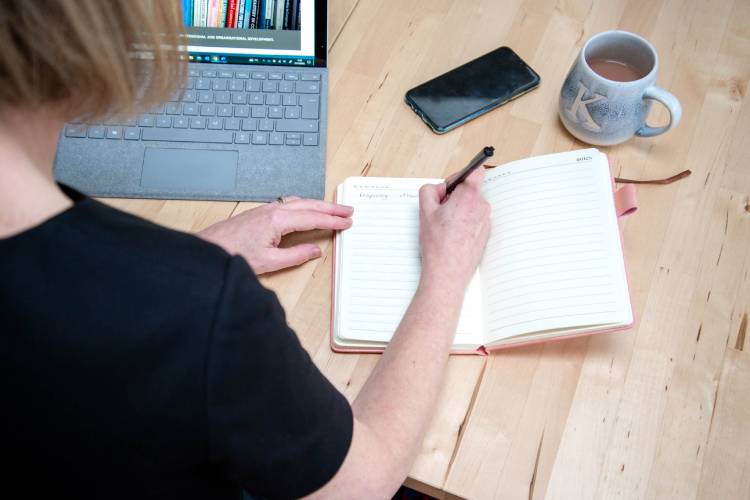
Local coach Kate Flory
This article has been written by Local Coach, Kate Flory
This week (2nd to 6th November ) marks International Stress Awareness Week, a timely reminder to stop and think about the impact stress has on our lives.
On the 25th anniversary of Stress Awareness Day, SMSMA uk decided to expand the campaign’s reach of promoting stress awareness and wellbeing, by creating a global platform for awareness and action every November.
This year, they reminded us that between 2024-25 the number of work-related stresses, depression, and anxiety ill health equated to 52% of all work based ill health. In the UK that’s 964,000 workers and 22.1 million in lost working days. The Health and Safety Executive (HSE) identified some of the key work-based pressures as tight deadlines, too much work, and too much responsibility as the main causes. Often accompanied by lack of management support, uncertainty of roles and workplace change.
We know that we all need stretch to help us grow and develop ourselves, and when we are in the thick of our learning curve it can feel quite stressful. But without that positive stress, our ability to learn, develop and grow is reduced. For instance, putting yourself out there at a networking event can feel daunting, as might presenting to colleagues, or joining a new group can feel intimidating. But this personal push out of our comfort zone is beneficial.
Negative stress is something that can creep up on us. When we put up with difficult people or situations for too long, our resilience can gradually wear down. We might find ourselves feeling overwhelmed, losing our patience or struggling to maintain our usual sense of control.
ISMA remind us that there are four categories of signs that indicate we are experiencing negative stress: Psychological, Emotional, Physical and Behavioural. These signs can be influenced by work, home or even ourselves, and can be a combination of all three.
When symptoms are severe, persistent or getting worse, they can affect our ability to cope with everyday life and may be a sign that we need additional support.
This week is a good reminder to stop and take stock as to what signs are presenting and being able to make tiny or even bigger tweaks to how you manage your life in order to put your wellbeing first.
Noticing Psychological Signs such as:
– Inability to concentrate
– Negative thinking
– Insomnia or waking up feeling tired
– Undue worry
Or you might spot more of the Emotional Signs such as:
– Being tearful
– Being irritable or having mood swings
– Lack of confidence
– Lack of motivation
Some of you might recognise the more Physical Signs of:
– Aches and pains or muscle tension
– Weight loss or gain
– Panic attacks or nausea
– Frequent colds and infections
Behavioural Signs might include:
– Not taking time to relax and do pleasurable things
– Recklessness
– Nervousness
– Poor time management
You can see ISMA’s full list here, but to give you a few to reflect on, here are some of the symptoms they suggest.
“A word of caution: we can get tick happy when looking at a list of symptoms, as many of us might recognise some of these at one time or another. Rather than counting how many you have, consider how severe they are, how frequently they occur, whether they are getting worse and how they are affecting your everyday life. If symptoms are persistent, concerning or affecting your ability to cope, don’t wait until you have a long list before seeking advice from your GP. Not all symptoms are necessarily caused by stress.”
For many people, recognising these signs can be a timely wake-up call to make changes to our routines, habits and even our thinking. Perhaps it’s about saying no more often, making time to switch off, asking for help or simply recognising that something needs to change.
So, what small change could you make this week to put your wellbeing first?
If you’d like to talk about wellbeing in the workplace or explore your mental fitness, get in touch with us at Kapow Coaching to see how we can support you in building your personal and work resilience.
Tweet Share on Facebook
News