Tuesday September 29th 2026
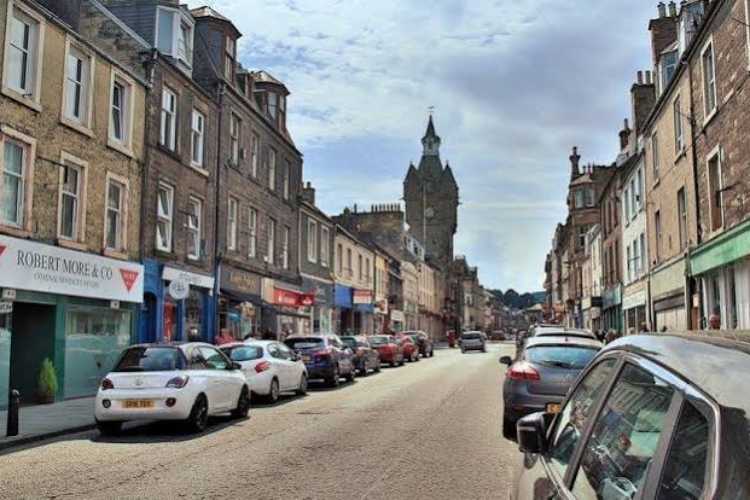
Hawick High Street
Written by Local Democracy Reporter, Paul Kelly
A plan which documents historic buildings in the Scottish Borders most populated town is to be used to shape its future.
A conservation plan for Hawick is to be adopted next week after a 12-week public consultation.
Scottish Borders Council asked the public for their thoughts on the draft Hawick Conservation Area Appraisal and Management Plan.
Now residents, businesses, property owners and other stakeholders have had the opportunity to comment on the draft a final version is set for adoption at a meeting of SBC’s Planning and Building Standards Committee on Monday, October 5.
The document provides a comprehensive assessment of the town’s historic development, architecture and townscape, and sets out a framework to guide the future management, repair and enhancement of buildings and spaces within the Hawick Conservation Area.
The appraisal examines the town’s distinctive historic layout, its relationship to the River Teviot and Slitrig Water, and the legacy of the textile industry that shaped its development.
Importantly, the document builds upon the investment and activity delivered through the Hawick Conservation Area Regeneration Scheme (CARS), which concluded this year.
The plan seeks to safeguard that legacy by providing an updated evidence base to guide future regeneration initiatives, heritage repair projects and planning decisions affecting the conservation area.
Hawick Conservation Area contains 132 listed buildings and forms one of the largest and most architecturally and historically significant town centres within the Borders.
The report states: “Its historic core is characterised by a strong linear High Street, a distinctive pattern of closes, wynds and lanes, riverside corridors, landmark civic and ecclesiastical buildings and a substantial textile-industry legacy.
“The appraisal also identifies pressures arising from structural economic change, vacancy, under-use, deteriorating historic fabric and weakened streetscape, alongside significant opportunities for heritage-led repair, reuse and investment.
“There was broad support for the areas of focus identified in the management plan.
“Improving the quality of streets and public spaces and encouraging heritage-led investment and regeneration were identified as the principal priorities.
“Guidance on the repair and maintenance of traditional buildings and encouragement of high-quality shopfront design and signage were also strongly supported.”
Tweet Share on FacebookNews